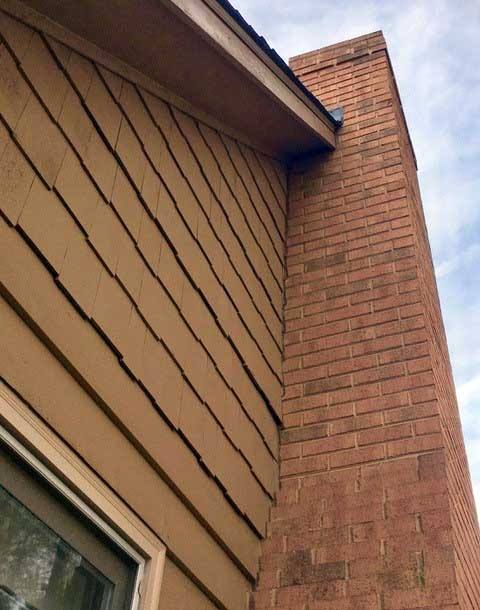
The problem
Chimneys come up all the time in foundation repair around Charlotte. They put a lot of weight on one small spot, and their footings are often poured too thin, too small, or honeycombed underneath. Poorly compacted soil from the original construction makes it worse.
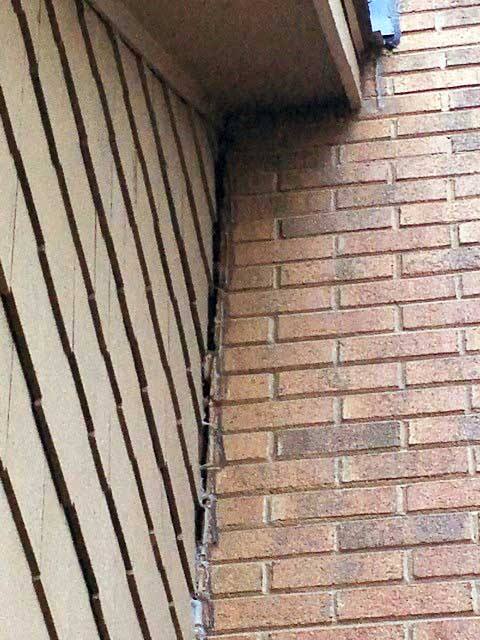
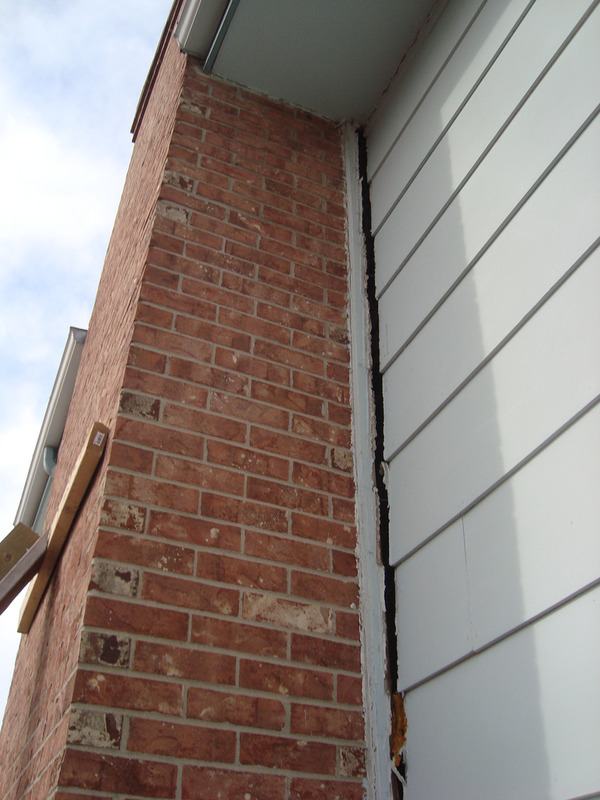
Chimneys rarely settle straight down. What happens instead is rotation: the chimney tips away from the house, and you notice it first at the top, along the flashing.
Seasonal swings make it move faster. Wet periods followed by drought make the surface soil swell and shrink, and each cycle pushes the chimney a little further out.
The fix: micro piles
On this job Michael chose micro piles for the underpinning instead of helical piers or push piers. A drilled piling encased in concrete carries much more load.
Micro piles
- Drilled and encased in concrete
- Much higher load capacity
- Fixed cost, with no overage if the piles have to go deeper
Helical or push piers
- The usual alternatives for underpinning
- Can run into overages if they have to go deeper than planned
Why timing mattered
The longer a homeowner waits, the further the chimney rotates. Masonry debris also falls into the gap behind it, and that debris can keep the chimney from coming back once the new foundation is loaded.
The result
The chimney rotated back 100%, and the homeowner was ecstatic.