
Three steps, in this order, every time
Most repair failures start with a poor diagnosis. That's why the initial inspection and accurate analysis comes first before developing a quote.
-
Inspect, Analyze & Collect Important Data
Site Analysis, Soil conditions, wood moisture content, bowing wall symptoms, crack patterns, and drainage challenges. The analysis and discovery decide the fix, not the glossy brochure and/or canned sales pitch.
-
Independent repair plans
You get a plain-English plan built around your actual symptoms and project budget, including the options for means and methods that reduce costs.
-
The right crew, then a walk-through
Michael's crew or a vetted specialist does the work. He walks the finished job with you before anyone calls it done. Michael's production teams and/or a vetted trade specialists perform the work turnkey. He walks the finished job with you before anyone calls it done.
Four reasons Carolina foundations move
Almost every failure Michael has inspected traces back to one of these.
Expansive clay
Piedmont clay can swell up to 10% when wet, then shrink back when it dries out.
Poor drainage
Water left against the house saturates soil and raises hydrostatic pressure on walls and footers.
Under-slab water
Hidden plumbing leaks wash supporting soil away and leave voids under the slab.
Trees drying soil
Big trees pull moisture unevenly, and one side of the house sinks.
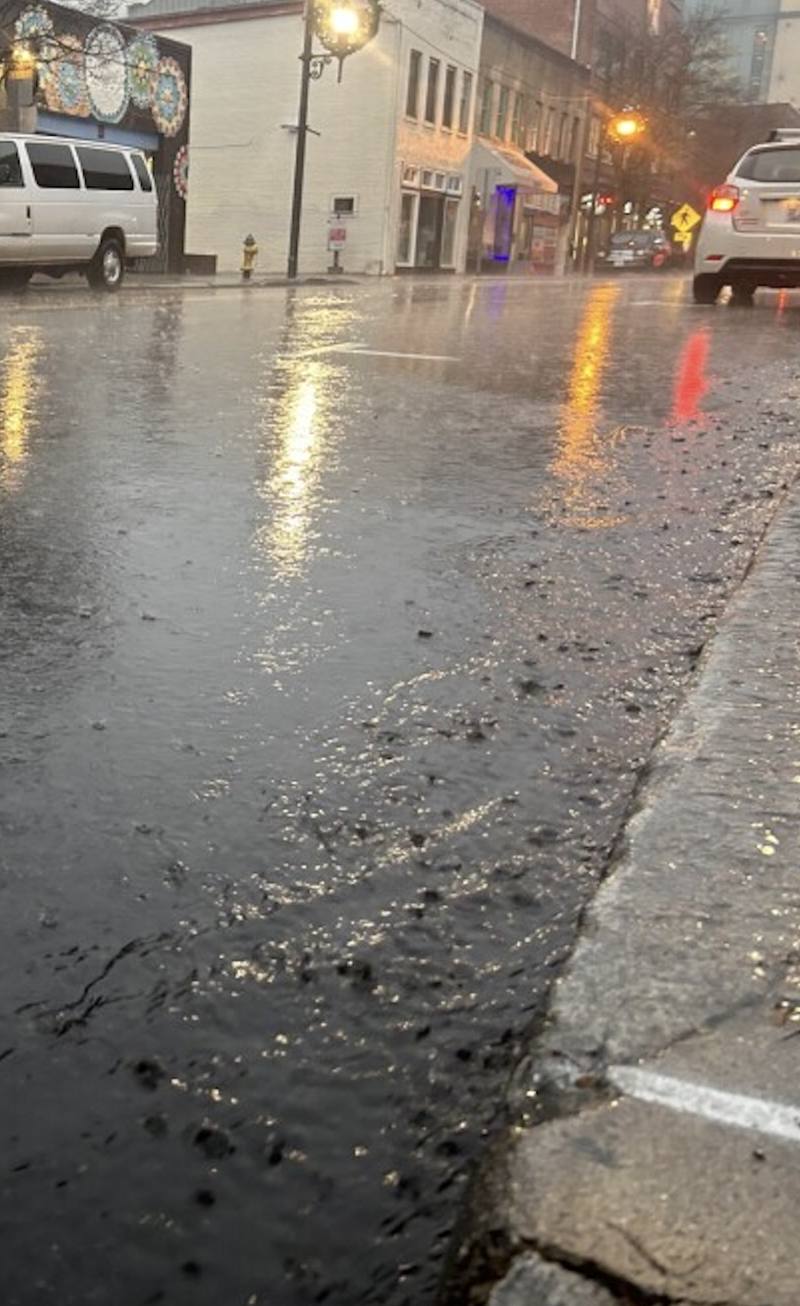
Understanding soil, groundwater and drainage
Soil conditions and water movement can affect foundations, retaining walls, slopes and crawl spaces. A Geo-Hydro assessment looks at how site conditions interact with the structure, helping identify contributing causes before a repair strategy is selected.
What gets evaluated
- Soil conditions, moisture and groundwater movement
- Surface grading, drainage paths and water collection
- Slope movement and signs of soil instability
Why the whole site matters
- Water can increase pressure against foundations and walls
- Poor drainage can contribute to settlement and movement
- Repair recommendations should address the cause, not just the symptom
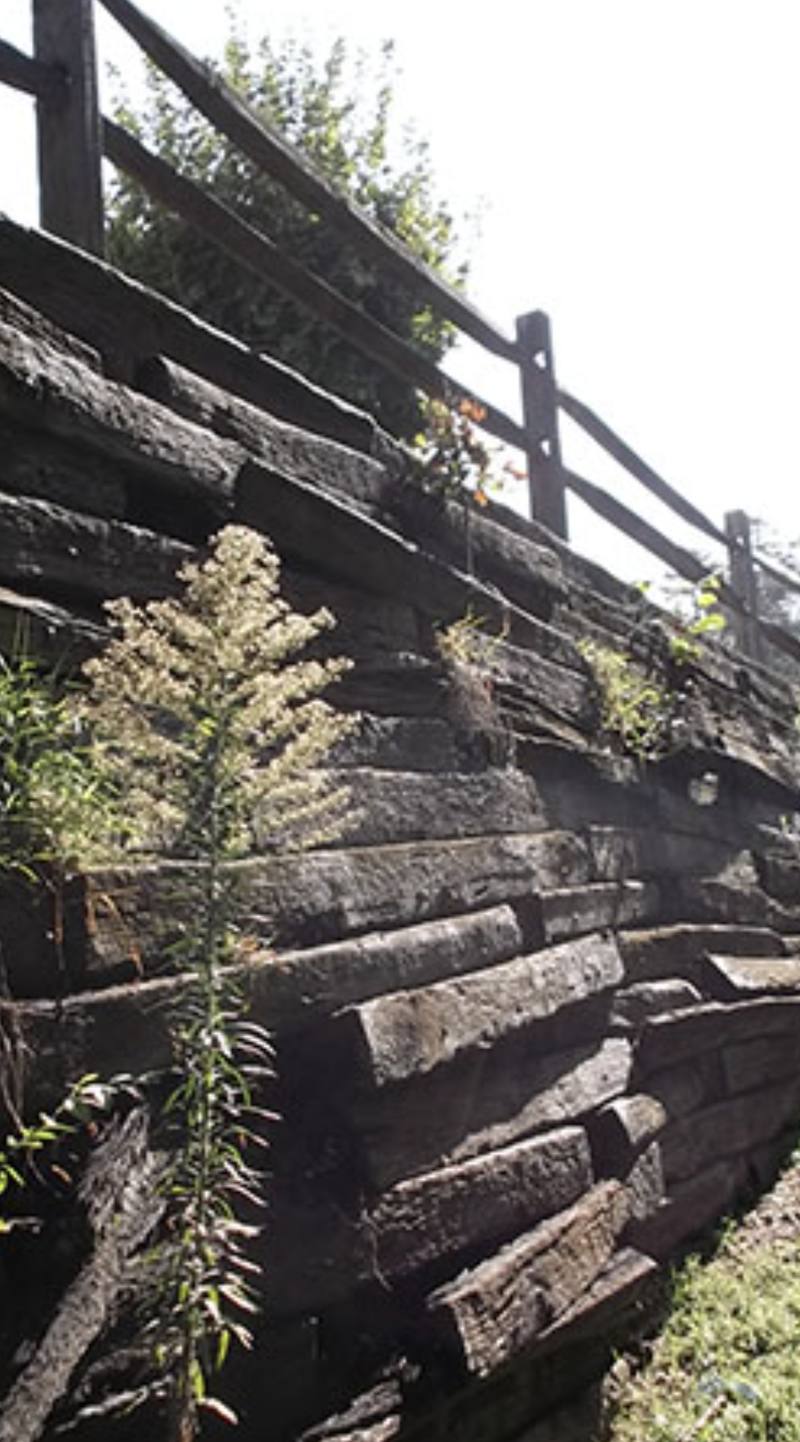
Walls that lean after heavy rain
Timber retaining walls can fail with little warning once a slope gets saturated and drainage backs up. DIY fixes rarely deal with the soil, the water and the reinforcement together, so the wall moves again.
The assessment
- Slope analysis and drainage inspection
- Geotechnical soil evaluation where needed
- Permitting and engineering for complex slopes
The repair
- Steel reinforcement with engineered anchoring systems
- Drainage swales, catch basins, and underground piping systems to relieve hydrostatic pressure
- Rebuild in segmented blocks, poured, gunite, or timber as a last resort
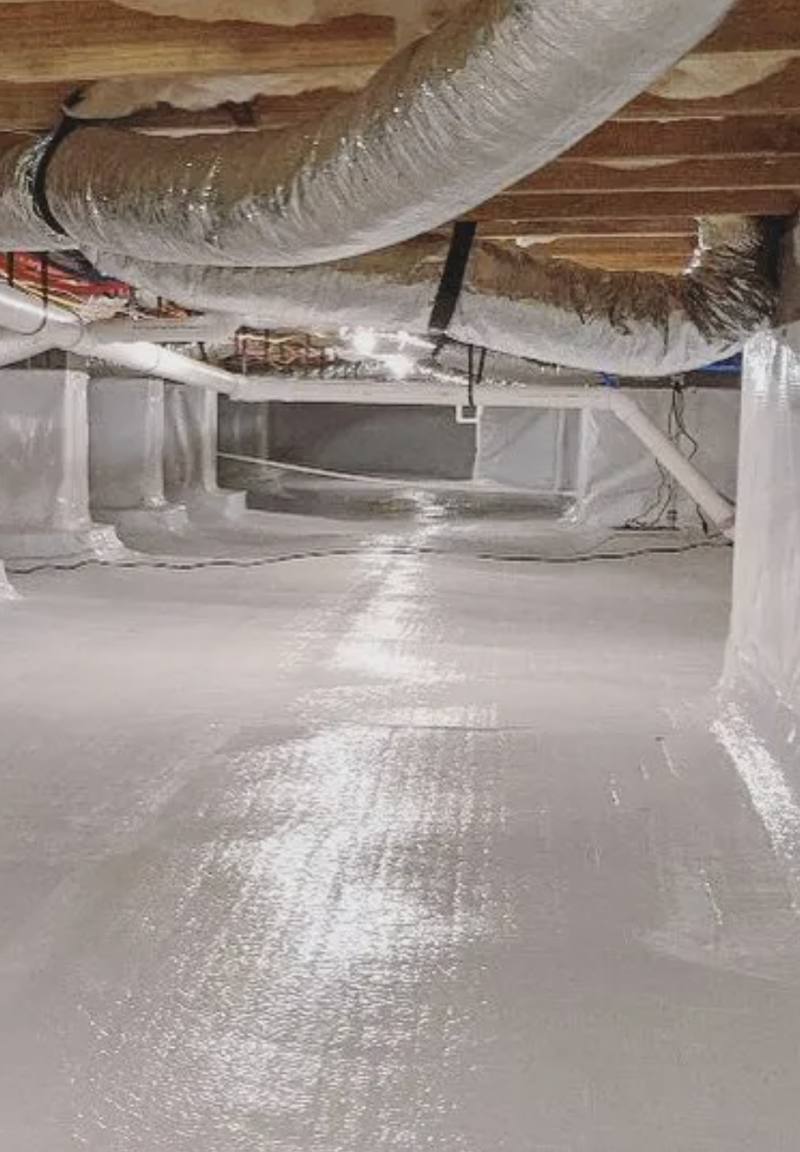
Address moisture first. Plan remediation correctly.
Mold concerns are often connected to ongoing moisture, leaks, poor drainage or elevated humidity. The first step is understanding the moisture source and the affected areas. Michael can help assess the building conditions, explain the findings and coordinate an appropriate remediation plan with qualified environmental professionals.
Inspection considerations
- Visible growth, musty odors and moisture staining
- Wood moisture, humidity and ventilation conditions
- Potential water intrusion and affected building materials
Planning the next steps
- Identify and address the moisture source
- Determine appropriate containment and remediation scope
- Coordinate with qualified remediation and testing professionals when needed
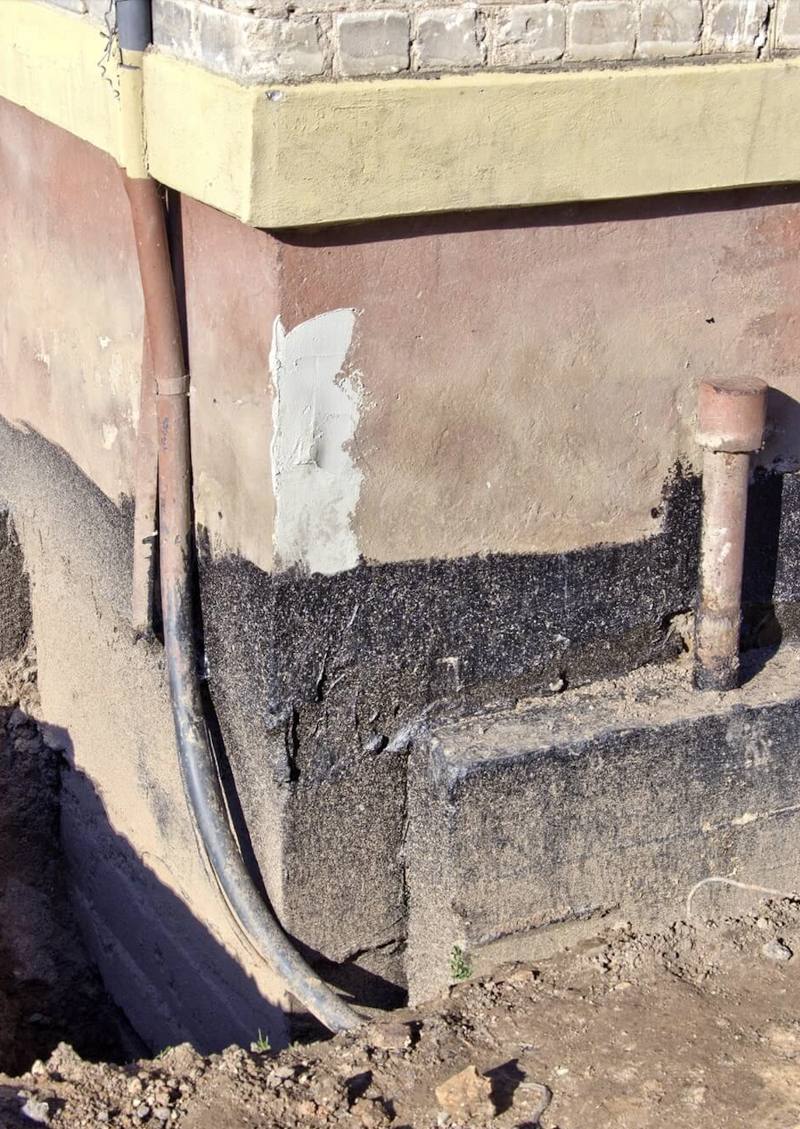
Cracks, settling and bowing walls
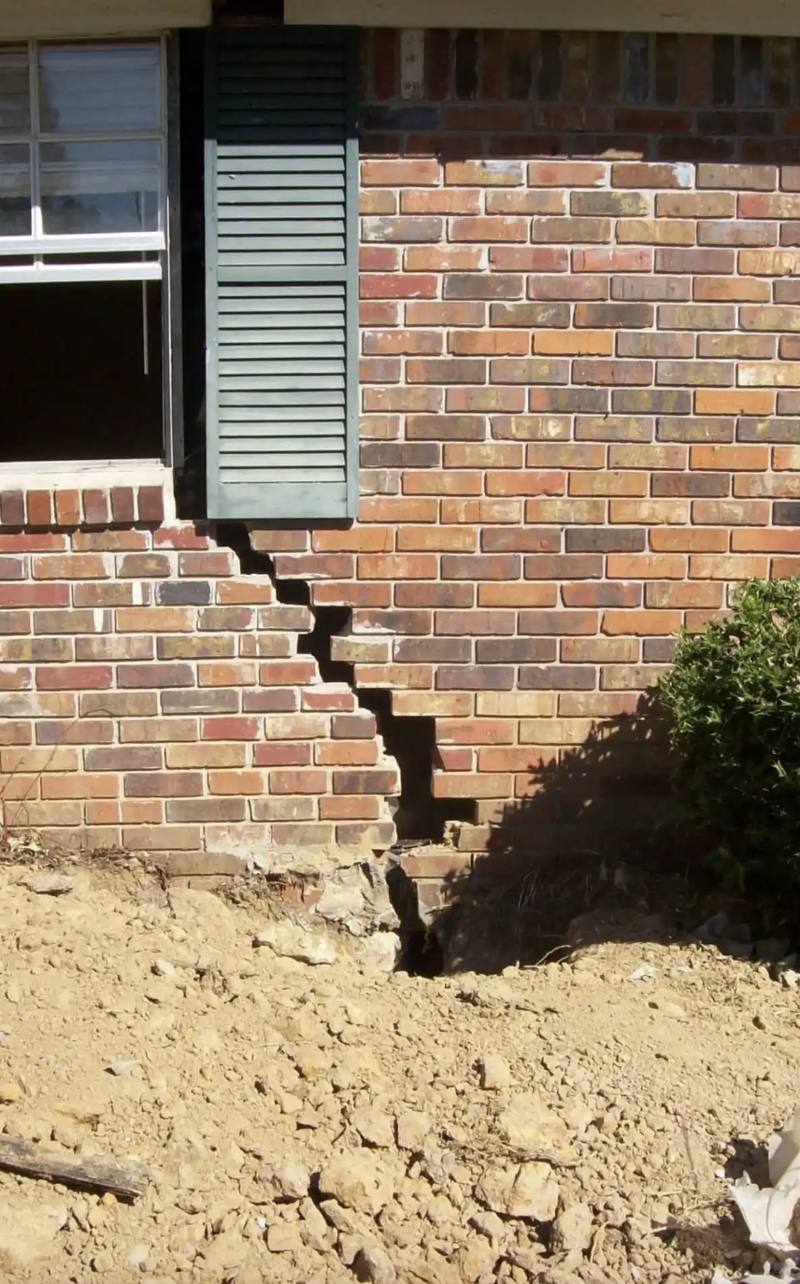
In the Piedmont, expansive clay is the main reason foundations move. It swells when wet and shrinks when dry, and every cycle puts pressure on footings and basement walls. Find the movement early and the repair stays small.
| What you see | What it usually means |
|---|---|
| Horizontal or stair-step wall cracks | Soil pressure pushing in on the wall |
| Sticking doors and windows | Uneven settling has shifted the framing |
| Sloping or bouncy floors | Uneven support or wood deterioration below |
| Bowing or bulging basement walls | Hydrostatic pressure or expansive soil |
| Wet basement or crawl space | Drainage, cracks or a plumbing leak |
How it gets fixed
- Helical or push piers to lift and stabilize footings
- Carbon fiber straps or wall anchors
- Epoxy crack injection and waterproofing
Why sooner is cheaper
- A few hundred dollars can turn into tens of thousands
- Stops moisture, mold and pests at the crack
- Protects the framing above
Mold, musty odor and cupping floors
High crawl space humidity feeds mold, mildew and odor, and over time it rots the wood holding up your house. Vents were meant to help, but in Carolina summers they often pull wet air in. Encapsulation and controlled ventilation both work. Which one is right depends on the house.
Step 1: keep water out
- Clean gutters, downspouts draining away
- Ground pitched away from the house
- Sump pump or interior drain if water still stands
Step 2: contain the moisture
- Vapor barrier covering 100% of the floor
- Run up the walls and sealed to the foundation
- Every seam sealed, puncture-resistant liner
Encapsulate or ventilate? Michael has written about this question for years. Read should crawl space vents be open or closed before you sign anything.
Sagging floors, failing beams, leaning chimneys
Weather, soil movement, moisture, termites and age all wear on a structure. The fix starts with a full inspection to find the root cause, so the repair addresses the problem and not just what you can see.
Common problems
- Sagging floors and undersized supports
- Deteriorating beams and joists
- Chimneys pulling away from the house
What the repair can include
- Reinforcing or replacing damaged members
- New crawl space piers and supports
- Fixing the water or pest damage behind it
When the soil can't take any more rain
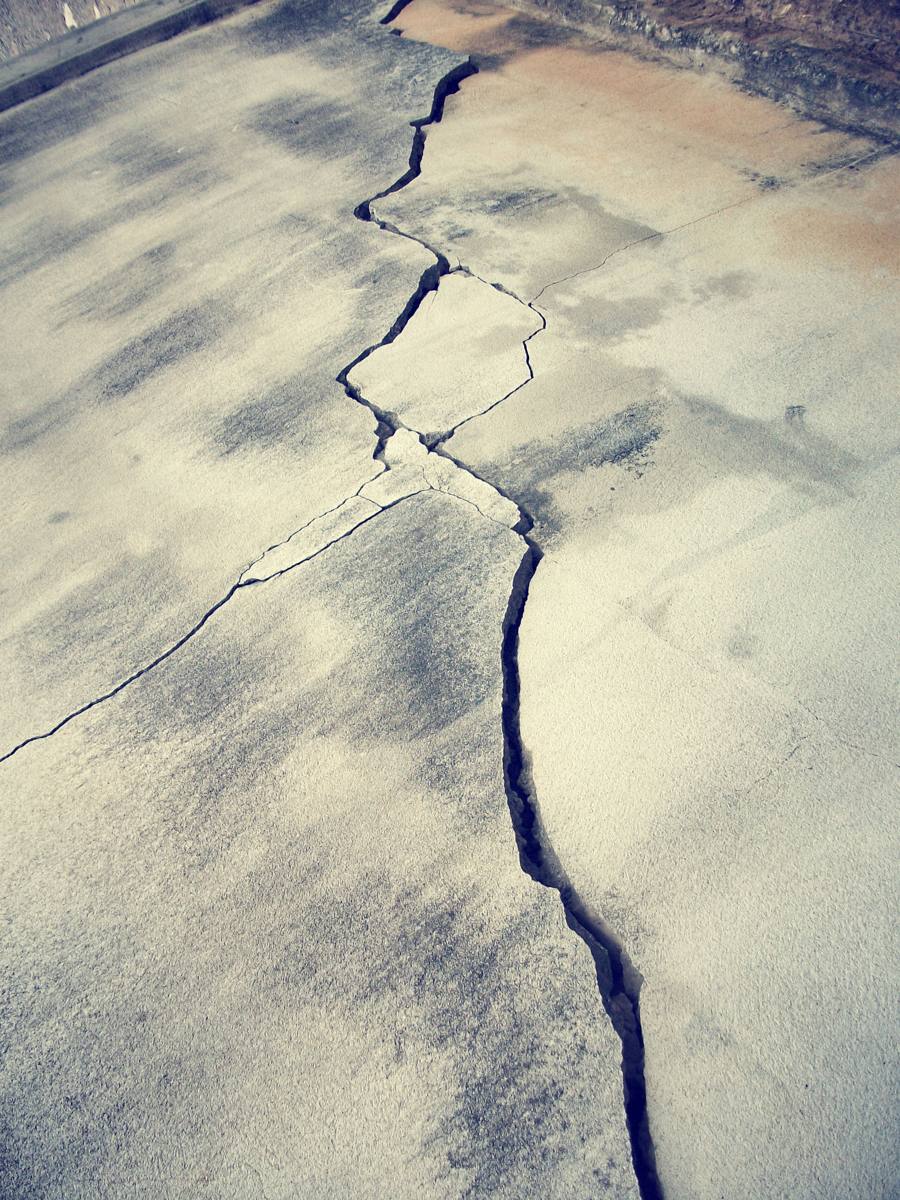
Saturated soil builds hydrostatic pressure against basement and crawl space walls. That's when leaks start, humidity and wood moisture spike, and retaining walls crack or shift. Mold can start forming within 48 hours.
Crawl space
- Reinforced 10 to 20 mil vapor barrier
- Crawl space dehumidifier, sized right
- Interior drainage and sealed vents
Basement
- Interior and exterior drainage
- Sump pump install and repair
- Wall crack repair and sealants
Sometimes the answer is grading. If gutters and the slope of the yard are the problem, you'll hear that before anyone sells you a system.
Already have a quote? Get it checked.
Michael has seen homeowners quoted thousands of dollars for work they didn't need. A second opinion from a qualified professional who isn't pushing product sales can save you thousands of dollars off of the combined project.
What you get
- On site inspection with thorough site analysis
- A review of all engineering reports, inspection reports, and/or contractor estimates that you already have
- A qualified, verbal and/or written assessment that you can count on
Who it's for
- Real Estate Inspections before closing (*Structured Fees May Apply*)
- Homeowners holding large & Confusing Estimates
- Any Client told "You Need an Encapsulation"
Real case: crawl space misdiagnosis, customer overcharged by thousands.
Greater Charlotte and the Carolinas
Serving Central and Western North Carolina and Upper South Carolina, including Mecklenburg, Cabarrus, Union, Iredell, Gaston, York, and surrounding counties. North Carolina mountain communities may be served for certain projects. If yours isn't listed, call anyway.
Not sure which of these you need?
Send your question. Get a straight answer.
Michael brings over 30 years of hands-on experience in foundation repair, crawl space encapsulation, mold, and waterproofing. Tell him what you're seeing and he'll give you clear, professional guidance for your home.