 Michael Masserang
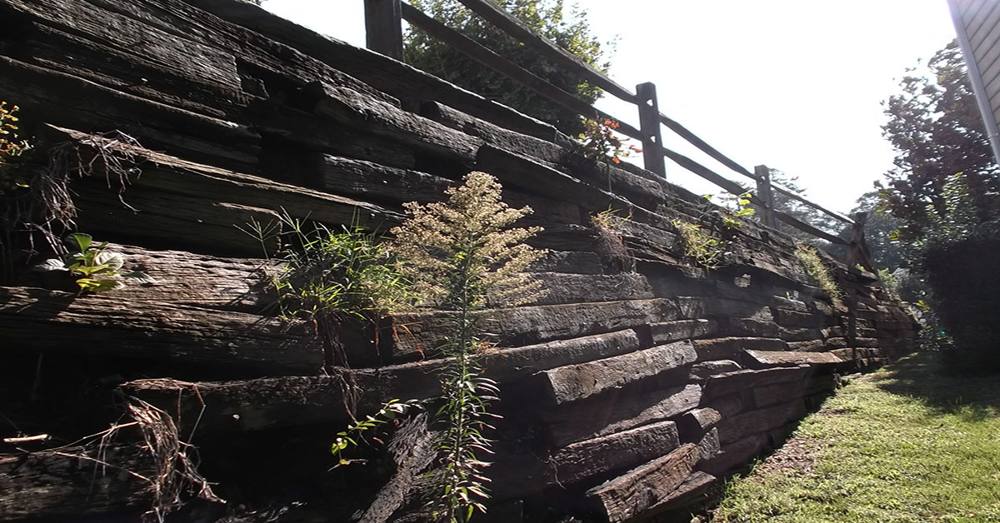
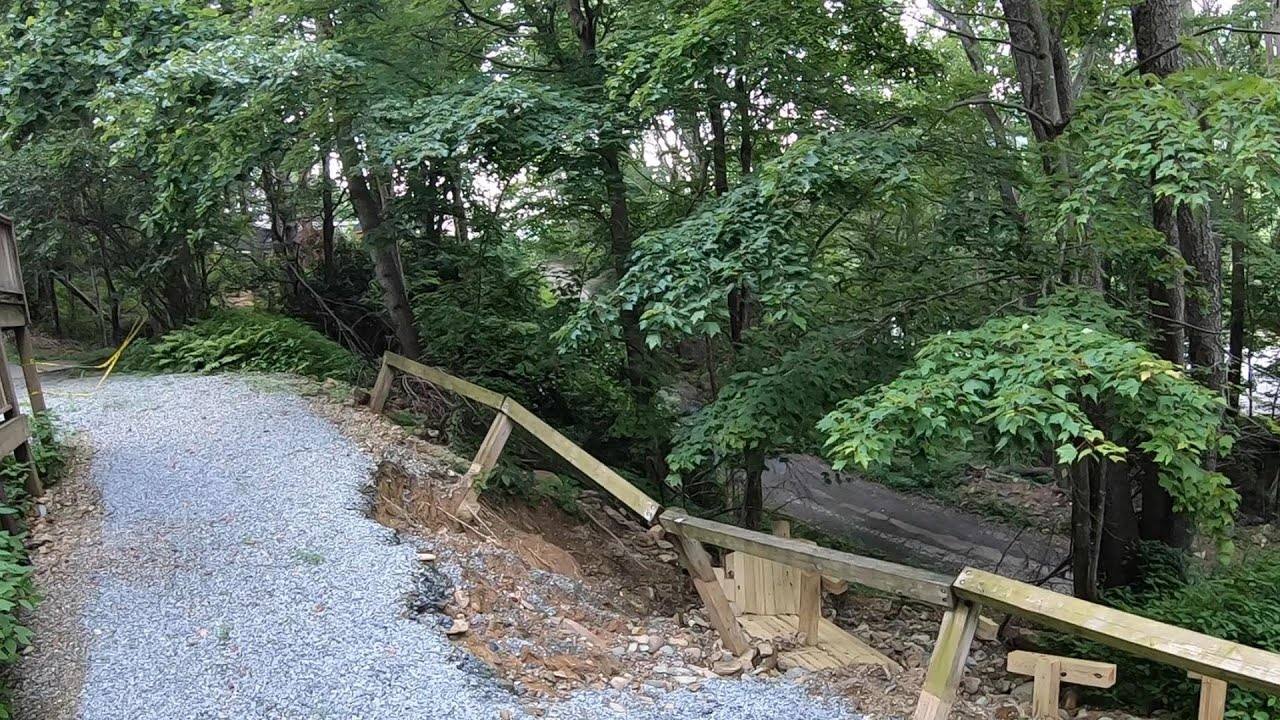
A timber retaining wall in North Carolina failed after the slope behind it became unstable and the drainage gave out. This video walks through what happened and how saturated soil and hydrostatic pressure can bring down even a sturdy wall.
What the video covers
- Slope analysis and drainage inspectionFinding where water builds up behind the wall and why it failed.
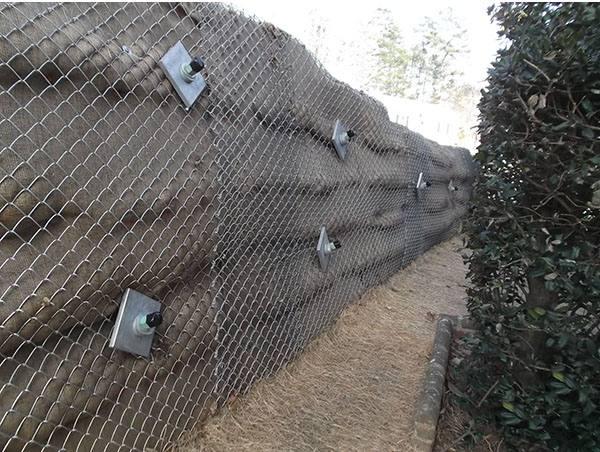
- Anchor and support installationSteel reinforcement with engineered anchoring systems to stabilize what's still standing.
- Drainage system integrationFrench or trench drains to take the pressure off the wall.
- Retaining wall reconstructionDurable timber, backfill and geotextile fabric when rebuilding is the right call.
Signs your wall is in trouble
- Leaning after heavy rain or irrigation
- Cracking along the face of the wall
- The slope above the wall shifting
- Decaying or collapsing timbers
Soil pressure only gets worse over time. DIY fixes usually miss the soil, the drainage or the reinforcement, and the wall moves again.
Repair or replace?
Michael's view, from his railroad tie wall article: stabilizing an old wall in place can save thousands over tearing it out.
Replacing
- Needs heavy equipment, and sometimes grading, tree removal or a temporary road just to reach the wall
- Hard-to-reach walls can mean all hand work, multiplying labor
- Old railroad ties are soaked in creosote and can't go to a public landfill
Stabilizing in place
- Soil nail system installed with small hand drills from scaffolding
- No heavy equipment on your yard
- The old wall stays put and breaks down safely over time