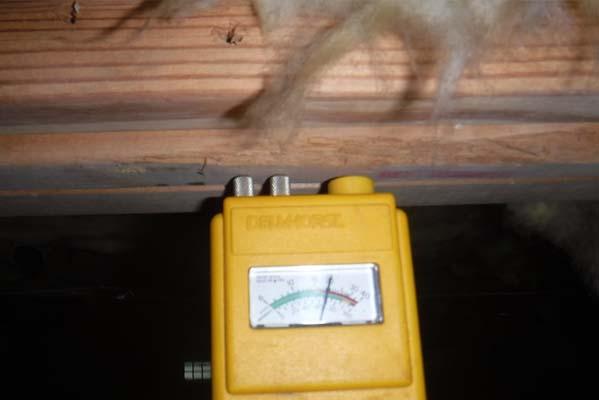
It's that time of year again. Heavy rains, followed by periods of excessive heat. Elevated relative humidity and dew point levels become common all through the summer. It is the season of condensation problems inside Charlotte crawl spaces.
Homeowners are now faced with the unpleasant reality that something needs to be done to protect their investment. Crawl space condensation can lead to mold and fungal colonies, combined with structural wood rot and decay of the floor system. Floors cup, insulation begins to sag, and pests become more of a nuisance as they're drawn to the higher moisture.
If your ductwork runs through the crawl space, the problem gets amplified. The ducts act like a refrigerator coil and pull the local dew point down. Running your air conditioning hard can make the condensation worse.
So homeowners face a choice: spend money on an expensive encapsulation, or regulate the existing vents more efficiently with more creative, more cost-efficient solutions.
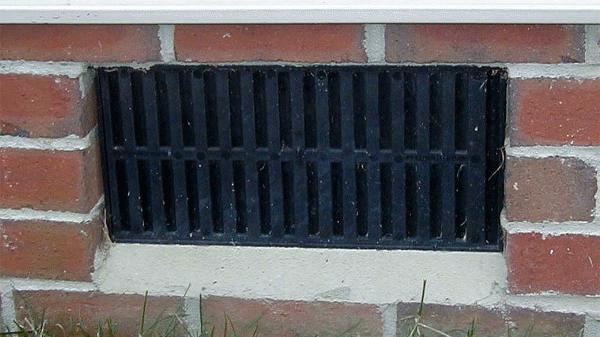
Crawl space vents in Charlotte's climate
Many homeowners ask me whether they should keep their crawl space vents open or closed, and at what times of the year. There are many schools of thought, depending on who you speak with and what part of the country your home is in.
In Charlotte, winters are generally mild, with the occasional burst of cold air that lasts maybe a week or two each season. So it pays to open your vents in winter and let the cooler, drier air flush out the moisture that built up over the summer. If a hard cold spell is coming, close most of the vents until it passes. Spring and fall are the ideal times to have your vents open.
Summer is a completely different story. Between June and September, chances for good air exchange are few and far between, and trying to guess when to open and close the vents becomes impossible for any homeowner. That's usually when people invest in moisture control.
Crawl space moisture problems build up over time. They're the result of poor air exchange over a long period. Moisture from the ground and humid air drifting in through the vents add up, and condensation peaks in August. If you get control of that curve early enough, you can manage the hottest months without paying for an expensive encapsulation.
Technology: solving the crawl space moisture problem
You might also redefine the question. Instead of asking when to open and close the vents, ask, "How can I make my crawl space vents work better all year round?"
That technology exists. It's called controlled ventilation. It turns your existing vents into what the builder intended, solving crawl space moisture while keeping good air quality for the whole house.
Think of it as a weather station built for your crawl space. Sensors inside and outside constantly calculate dew point, and wood moisture sensors feed data to the controller. If the outside air is too cold, too hot or too moist, the system doesn't use it. It all runs on low voltage.
If the house has severe drainage problems, the system can add a backup dehumidifier that runs only when needed. That's rare. Most systems are designed without one.
For more information about Atmox controlled ventilation, or a list of the engineers, inspectors, hygienists and other professionals who recommend it, call Michael at 704-787-6972.
And remember: don't encapsulate, ventilate! We're here to help. Have a great summer!
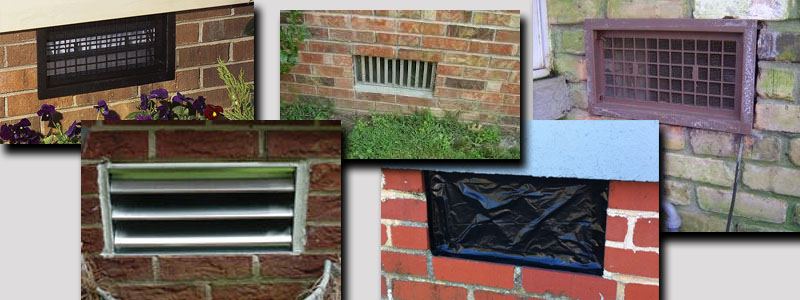

Michael Masserang
Independent foundation, structural and crawl space air quality consultant in the Carolinas since 1993. Certified in foundation repair, waterproofing, structural repair and crawl space air quality.
More about Michael